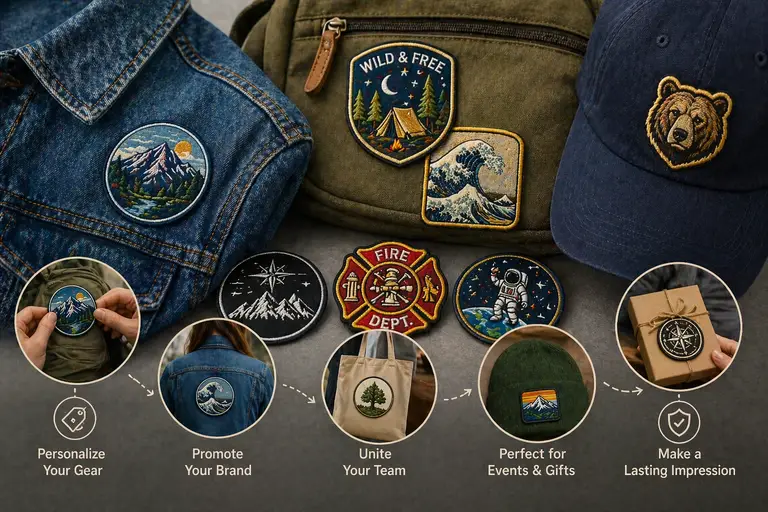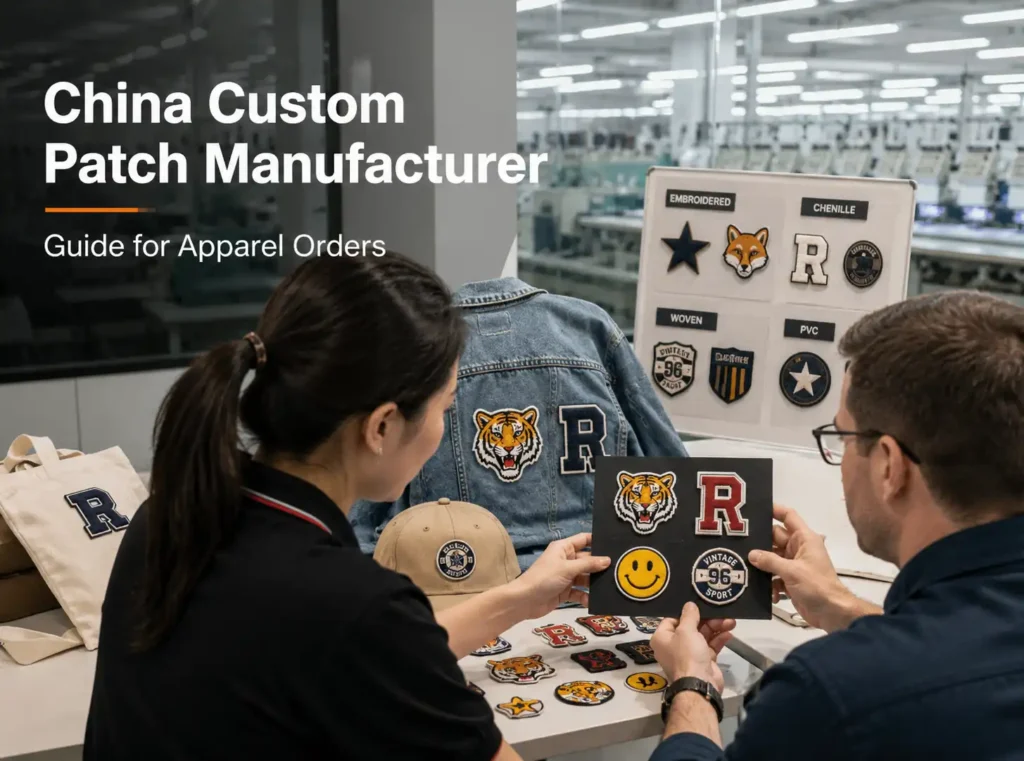

A patch is small, but it can change how a product feels.
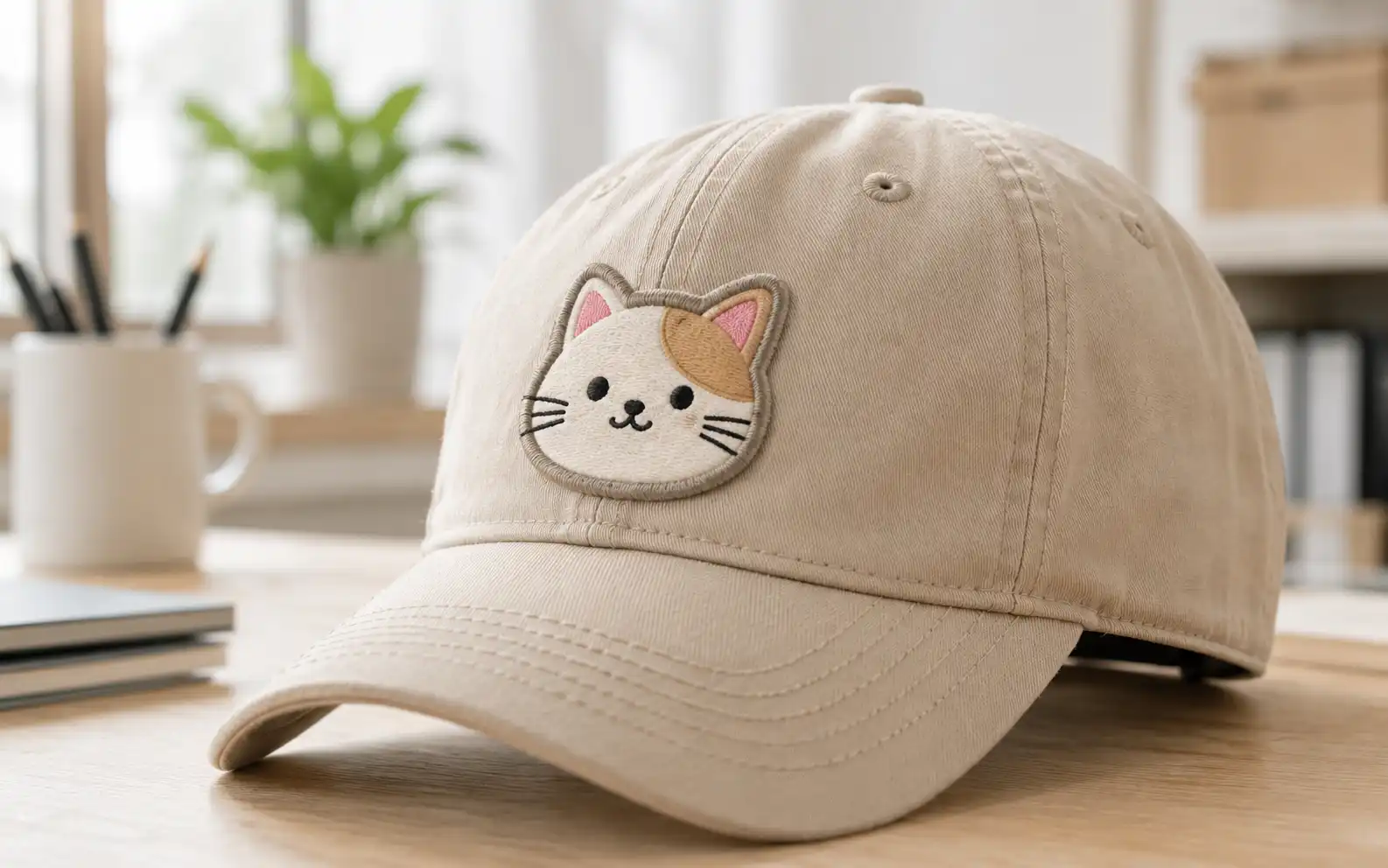
Put the right patch on a cap, and it looks more complete.
Add one to a jacket, and the garment suddenly has character.
Place it on a uniform, and the brand looks more organized.
Use it on a bag, hoodie, or work shirt, and the product feels less generic.
But a strong patch is not just about having a logo stitched onto fabric. The best custom patches feel like they belong on the product. They match the material. They sit at the right size. They carry the brand without making the design feel crowded.
For brands and product teams, that is where custom patch development becomes valuable.
A Patch Should Feel Built Into the Product
A common mistake with custom patches is treating the patch as a separate item. The logo is finished, the garment is finished, and the patch is simply added at the end.
That approach often looks average.
A better patch starts with the product in mind. A cap needs a patch that is clean and readable. A jacket can handle more texture. A uniform needs clarity. A backpack may need stronger shape and contrast. A fashion piece may need something more expressive.
The same logo can feel completely different depending on where it appears.
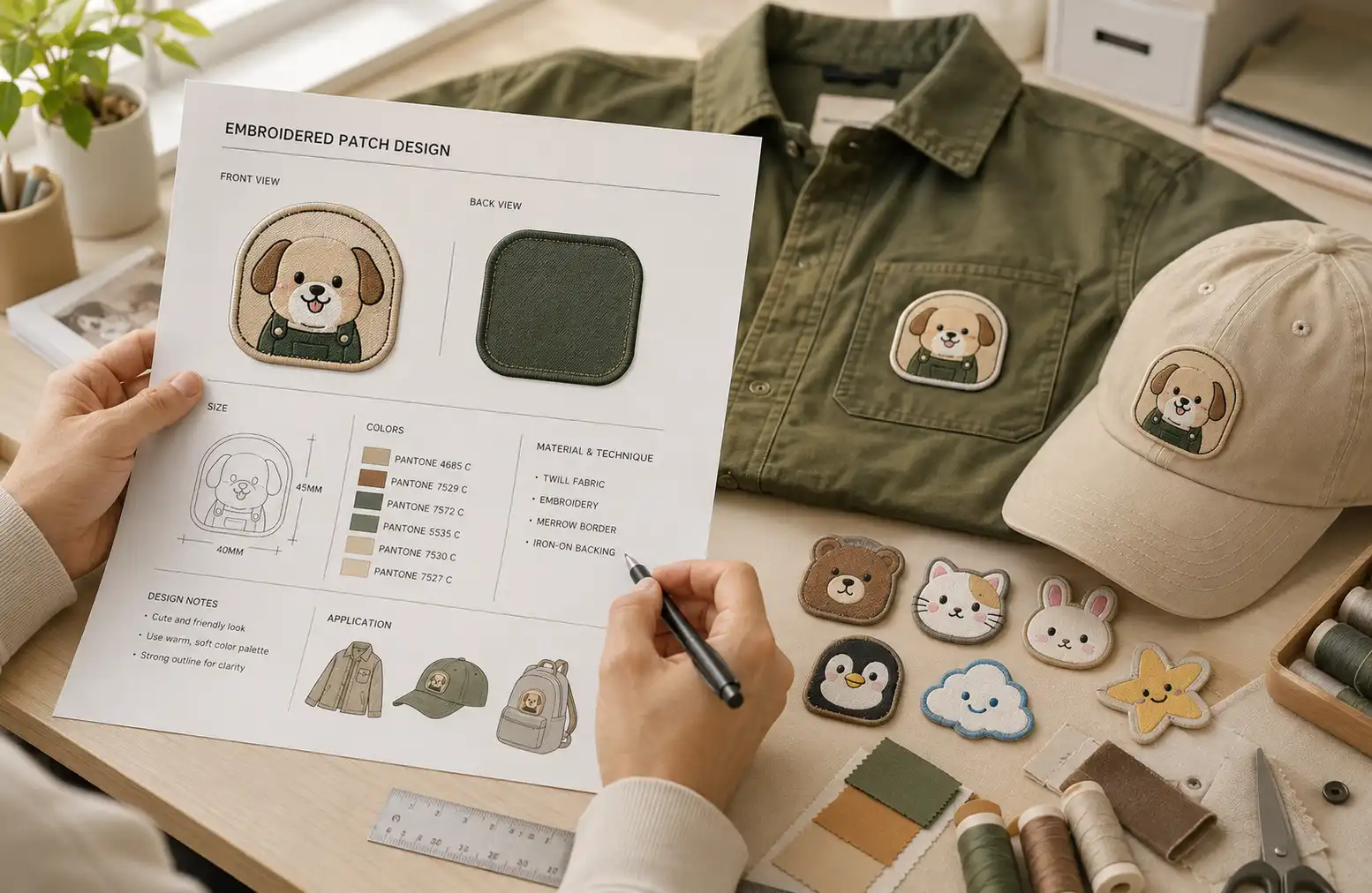
That is why ChengYi Custom Patch looks at more than the artwork. Size, placement, edge style, backing, material, and color all affect the final result. These details decide whether the patch looks intentional or simply attached.
Why Custom Patches Work So Well for Branding
Custom patches are useful because they add something that flat printing often cannot: depth.
A patch gives the product a physical detail. The surface catches light. The edge creates structure. The texture makes the logo easier to notice. Even a simple custom logo patch can make apparel feel more finished.
This is especially helpful for:
custom patches for hats
embroidered patches for jackets
custom patches for uniforms
brand patches for hoodies
custom patches for bags
logo patches for workwear
patches for apparel collections
The goal is not to make the patch loud. The goal is to make the brand easier to recognize.
A good patch does that quietly. It adds identity without overwhelming the product.

The Best Patch Designs Are Usually Cleaner Than Expected
Many patch designs start with too much information.
A logo, a slogan, a founding year, a city name, a border, a symbol, and three extra design details may look fine on a screen. Once it becomes thread, fabric, rubber, or textured material, it can feel crowded.
Clean design usually works better.
Strong patch design often has one main idea. It may be a bold logo, a short wordmark, a simple icon, or a clean badge shape. The easier it is to understand at a glance, the stronger it feels on the final product.
This is especially true for custom patches for hats. A cap does not give much space. If the design is too detailed, the patch loses impact. For jackets or bags, there is more room, but the design still needs balance.
At ChengYi Custom Patch, artwork is often adjusted before production planning. Small refinements can make a big difference: thicker letters, cleaner spacing, fewer tiny elements, better contrast, or a more suitable patch shape.
Texture Should Support the Brand, Not Distract From It
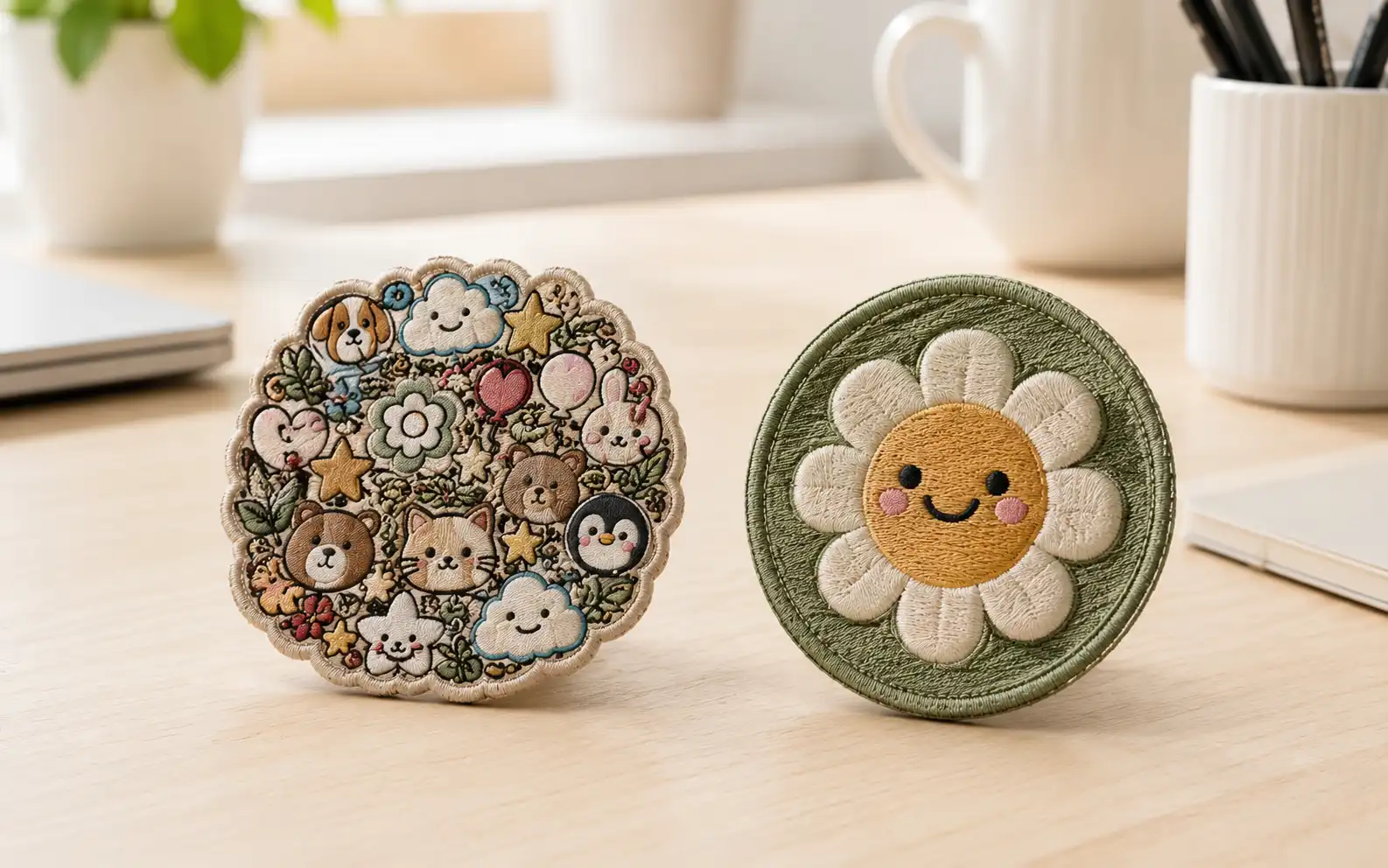
Texture is one of the biggest reasons people like custom patches.
But the point is not to use every technique possible.
The point is to choose the texture that supports the brand.
A heritage workwear label may look better with a classic stitched patch.
A clean fashion brand may prefer a flatter, sharper patch.
An outdoor product may need something more durable and structured.
A varsity-style jacket may need a patch with more softness and volume.
When the texture fits the product, the patch feels natural. When it does not, even a well-made patch can feel out of place.
Size and Placement Matter More Than Most People Think
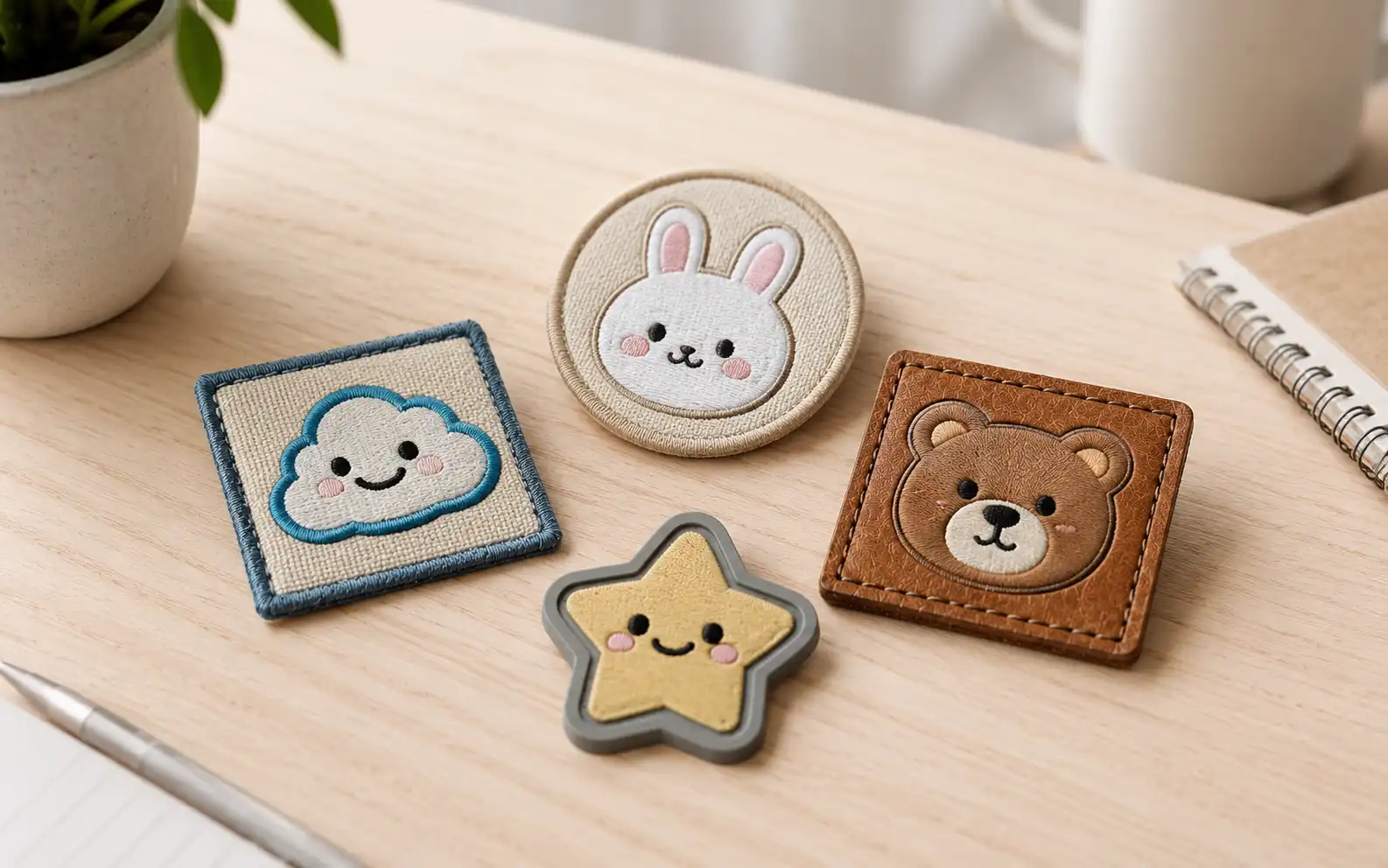
A patch can be well made and still look wrong if the size is off.
Too small, and the logo loses presence.
Too large, and the product feels unbalanced.
Too much detail in a small patch, and the design becomes hard to read.
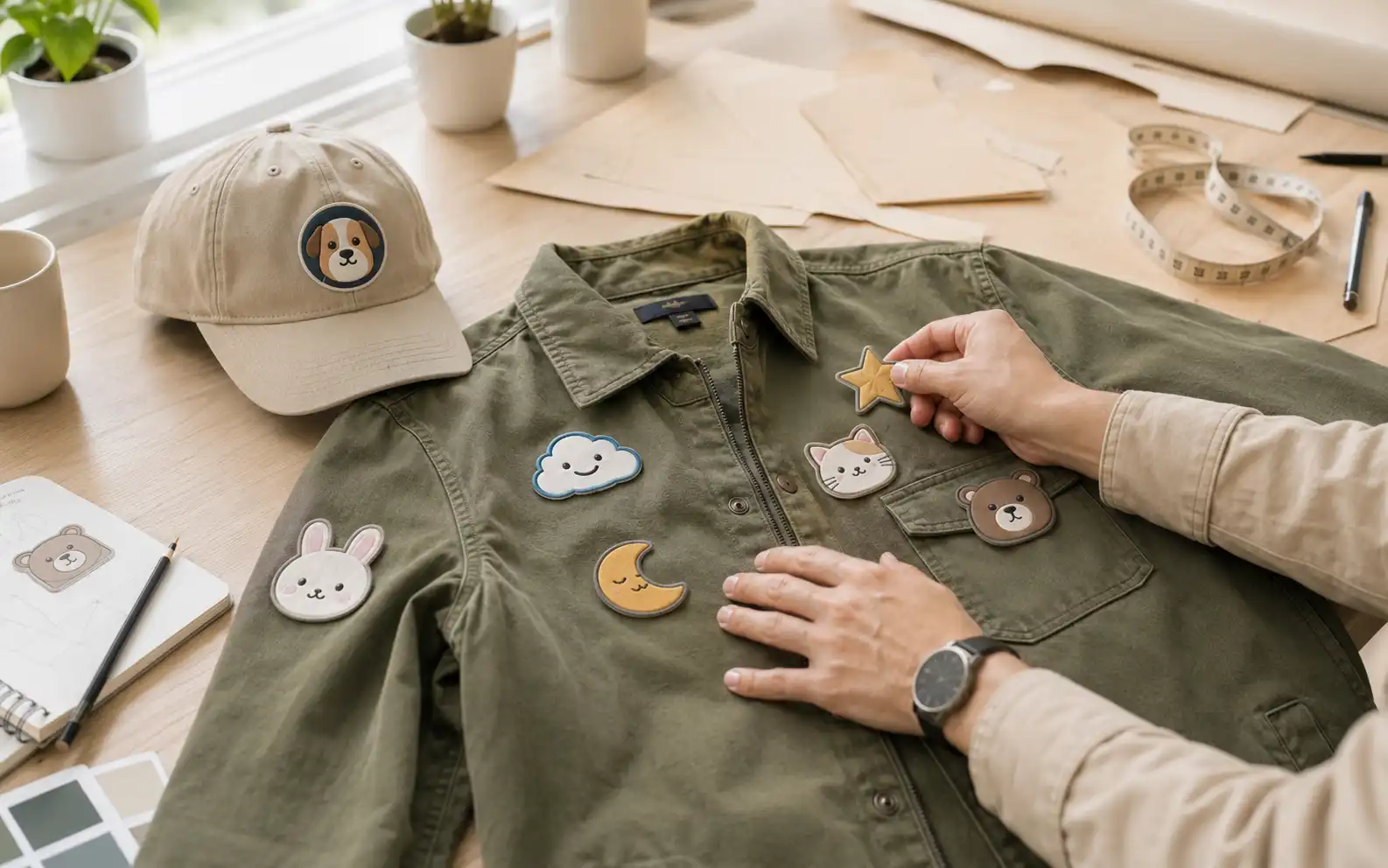
Placement matters just as much.
A front cap patch needs a different proportion than a sleeve patch. A chest patch on a jacket should feel balanced with the pocket, zipper, or seam. A uniform patch should be readable from a normal viewing distance. A bag patch should hold attention without fighting the product shape.
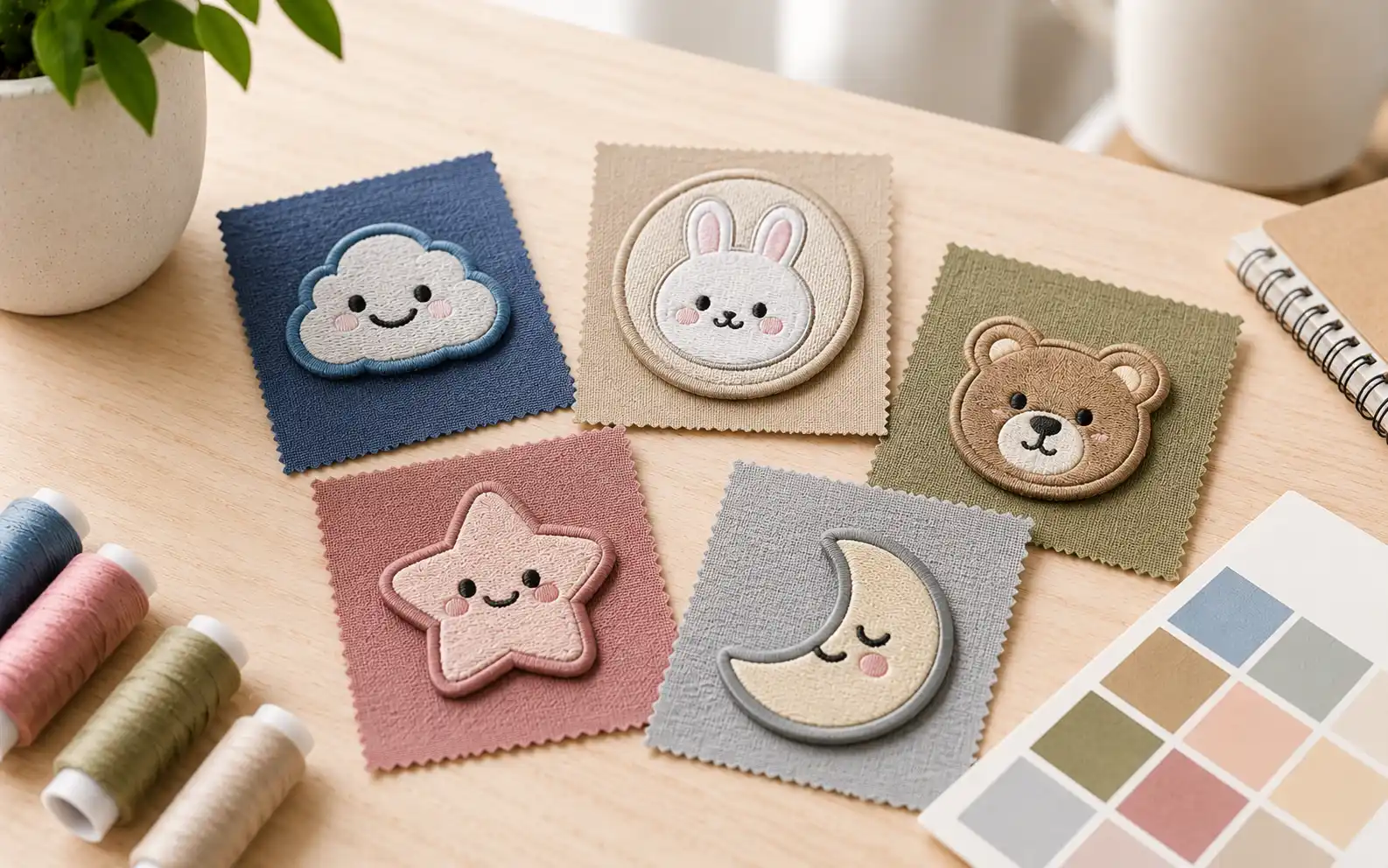
Color Is Part of the Brand Experience
Color sounds simple until the same logo needs to appear on different products.
Thread, fabric, rubber, and printed surfaces all show color differently. A dark navy may look clean on a jacket but disappear on a black cap. A bright red may look strong on a badge but too aggressive on workwear. A beige background may feel premium on denim but dull on a light hoodie.
This is why color planning matters.
For brand projects, the patch should work with the garment, not just the logo file. The background, border, and thread or material colors should create enough contrast while still feeling consistent with the brand.
Backing Should Be Chosen for Real Use
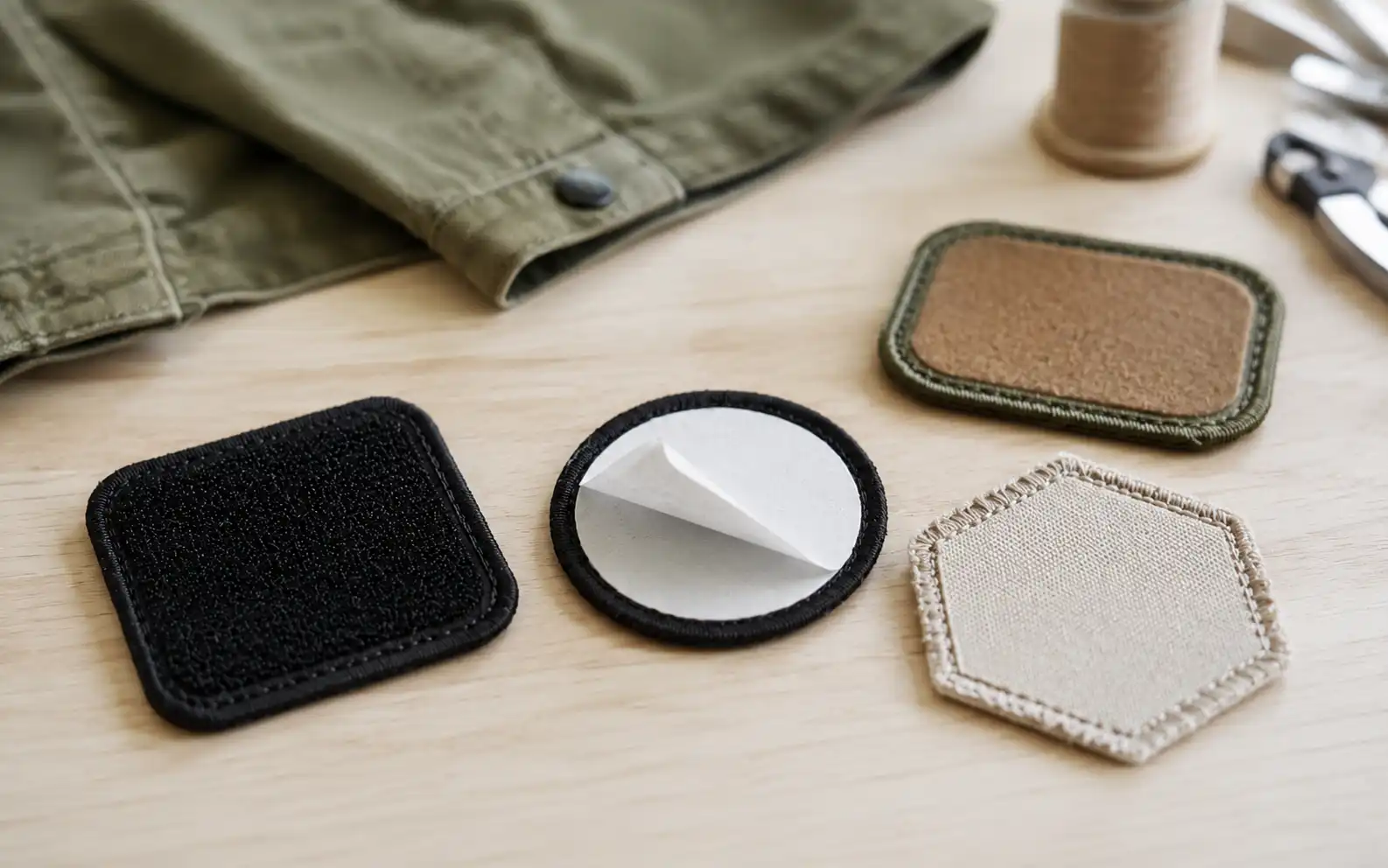
The back of the patch is not visible, but it affects how the patch performs.
A uniform patch may need long-term stability. A removable patch may need hook-and-loop backing. A fashion patch may need a clean sew-on finish. Some apparel projects may need heat-press compatibility.
The right backing depends on the fabric, product type, and how the patch will be used.
This is another reason custom development matters. A patch should not only look good in a photo. It should work on the actual garment, bag, cap, or uniform.
A More Flexible Way to Build Brand Patches
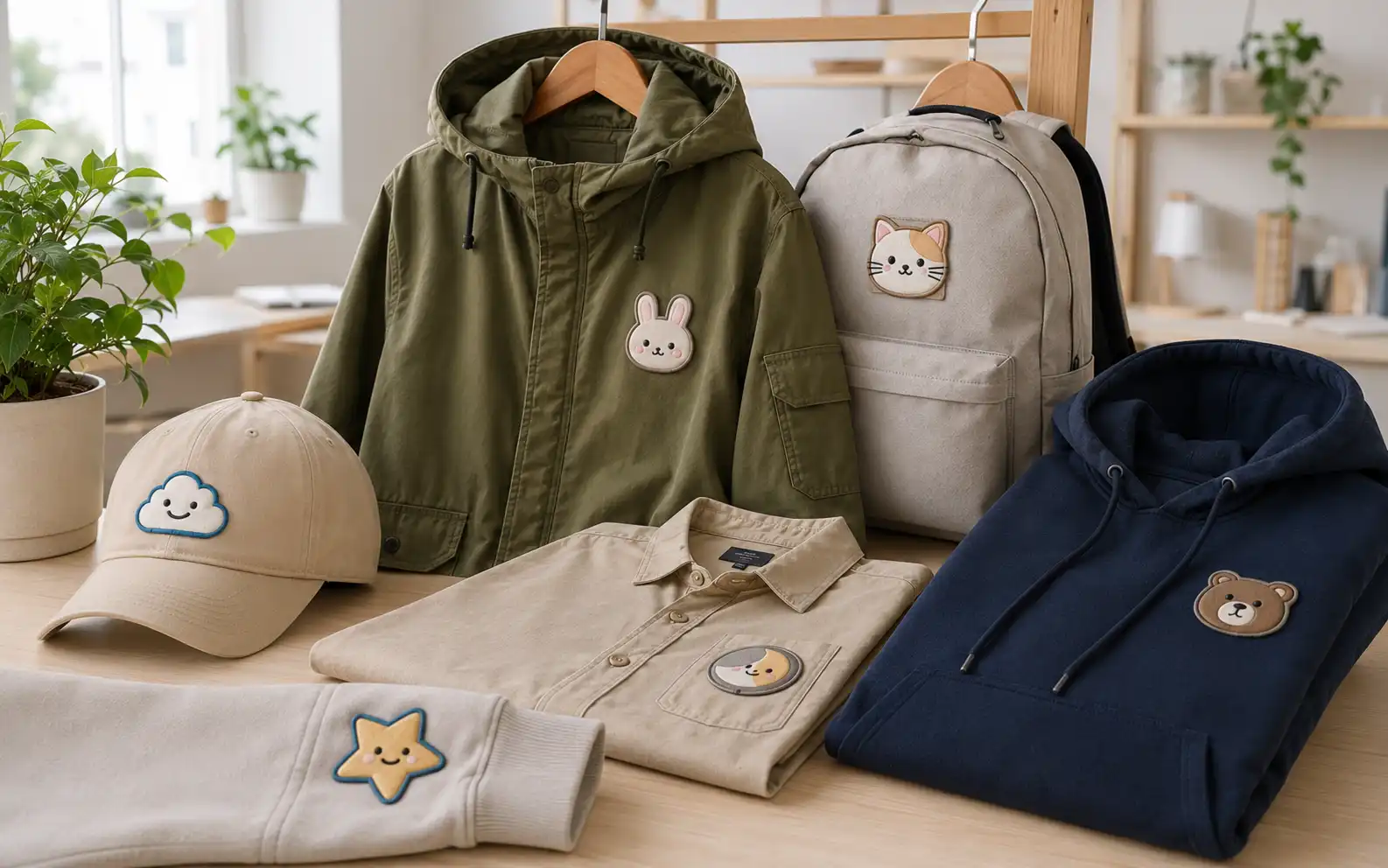
One brand may need several patch styles across different products.
A cap may need a small embroidered logo.
A jacket may need a larger statement patch.
A sleeve may need a cleaner woven detail.
A bag may need a more structured badge.
A uniform may need a patch that stays consistent across repeated use.
These patches do not all need to look identical, but they should feel connected.
That connection comes from consistent logo handling, color direction, sizing, and finishing choices. This is where a custom patch manufacturer can help a brand build a more complete patch system instead of treating every patch as a separate design.
Where ChengYi Custom Patch Fits In
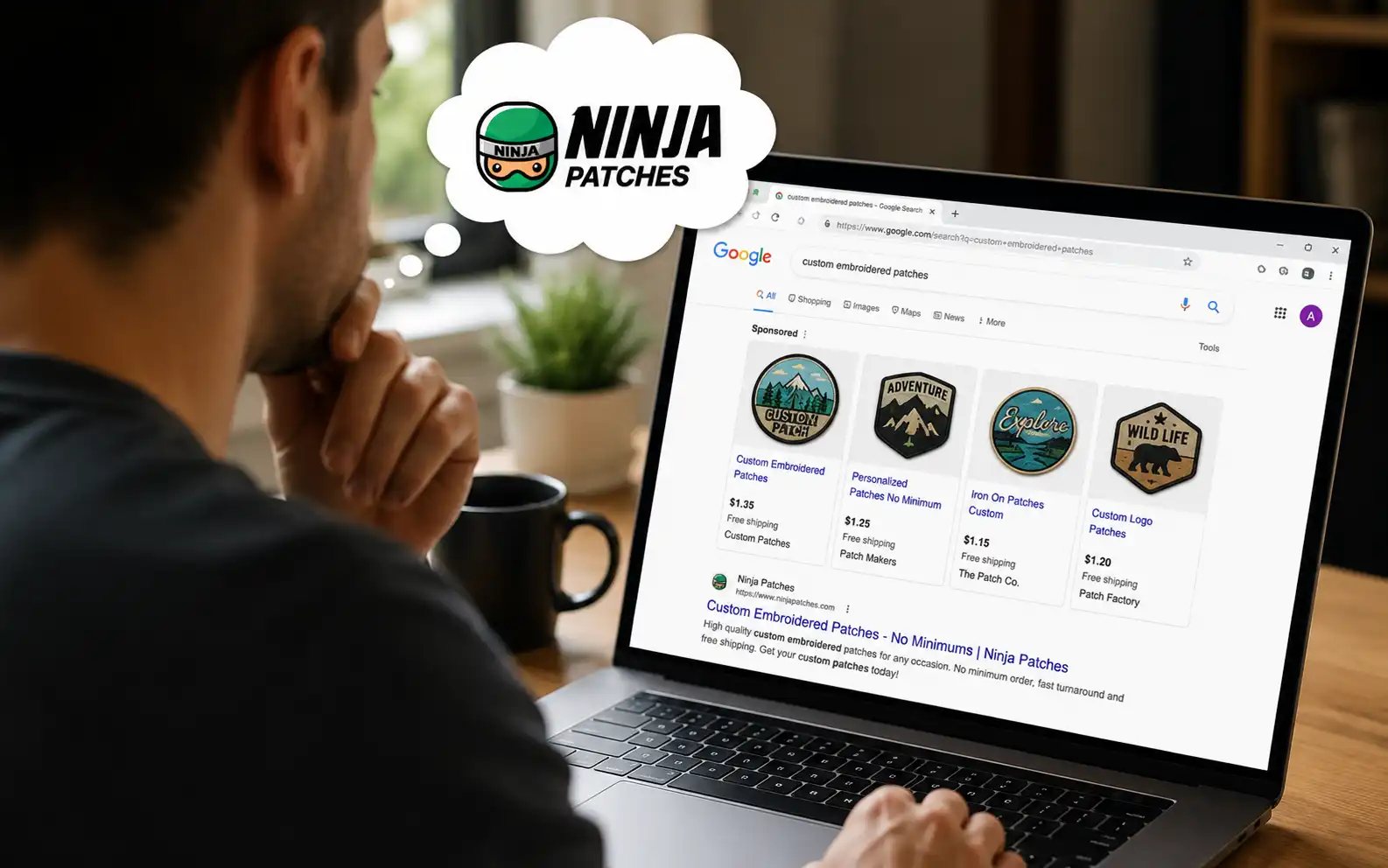
People who search for Ninja Patches are often exploring patch ideas with strong visual appeal. They may be looking at custom embroidered patches, logo patches, heat-applied patches, patches for hats, jacket patches, or branded apparel details.
ChengYi Custom Patch connects with that same interest, but with a custom manufacturing approach.
Instead of forcing every design into one standard patch style, ChengYi Custom Patch helps review the artwork, product use, size, color, backing, and finish. The result is a patch that feels more aligned with the final product.
Whether the project is for apparel, uniforms, caps, bags, workwear, events, or brand merchandise, the goal is the same:
A patch that looks clean.
A patch that feels intentional.
A patch that supports the brand.
A patch that works on the real product.
Start With the Product, Then Build the Patch
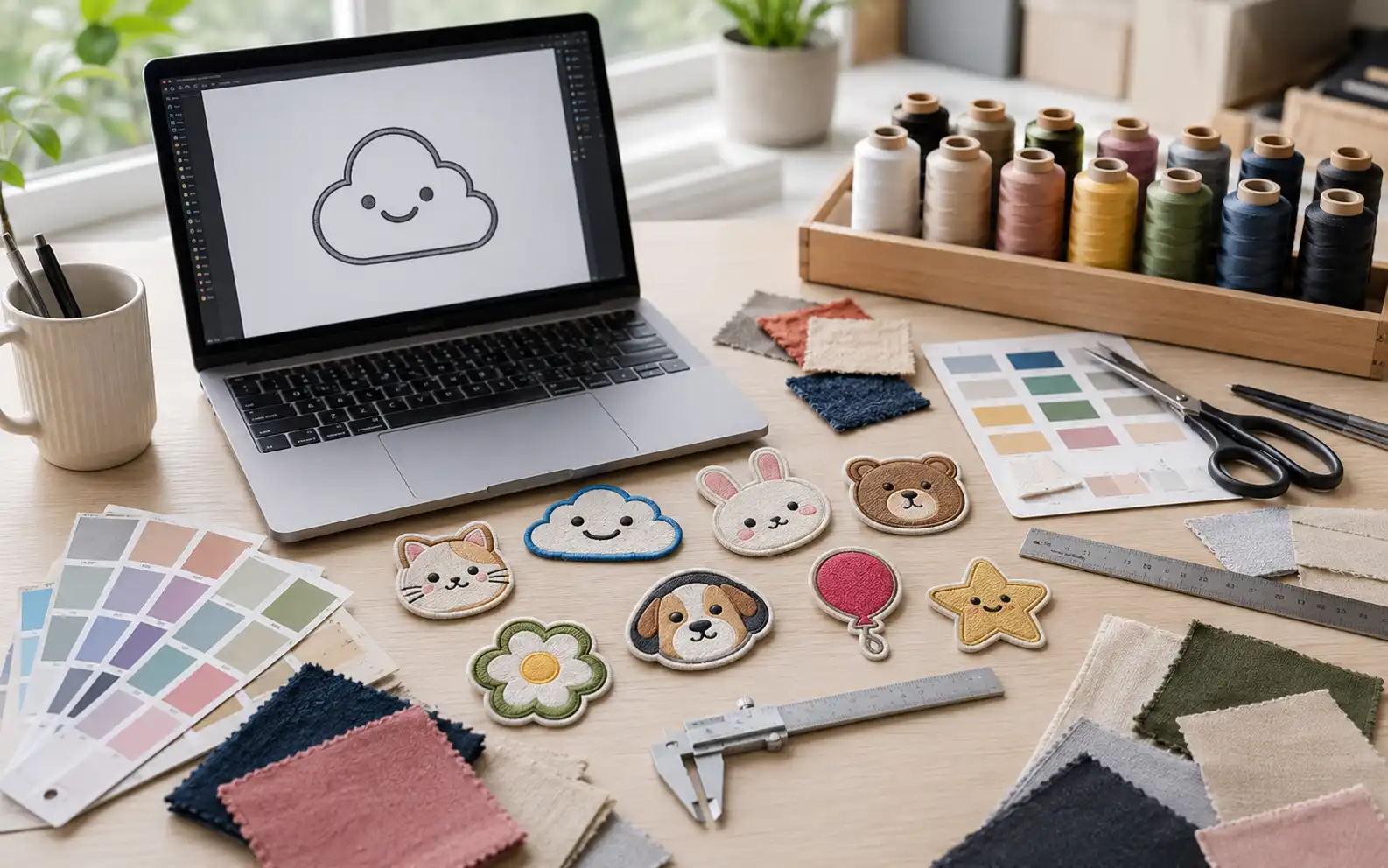
A strong custom patch project does not need to start with a perfect file. A sketch, logo, reference photo, or product idea can be enough to begin.
What matters most is the project direction.
Where will the patch be used?
What product will it be attached to?
How large should it feel?
Should the look be classic, clean, bold, rugged, or premium?
Does the logo need to stay simple, or can the patch carry more detail?
Final Thoughts
A patch may be small, but it can carry a lot of brand value.
That is why custom patches continue to appear on hats, jackets, uniforms, hoodies, bags, outdoor gear, workwear, and apparel collections. They add texture, identity, and a finished look that many products need.
The best patch is not always the most complicated one. It is the one that feels right on the product.
Names like Ninja Patches may introduce people to the custom patch world, but the real opportunity is building a patch that reflects your own brand. With the right size, color, texture, backing, and placement, a simple patch can become one of the most memorable details on a product.
At ChengYi Custom Patch, we help turn artwork and product ideas into custom patch solutions made for real use. Share your artwork or project brief with our team, and we can help shape the patch into something that fits your brand, your product, and your final application.